PrimeBiome Blog
PrimeBiome and the Gut-Skin Axis: What You Need to Know
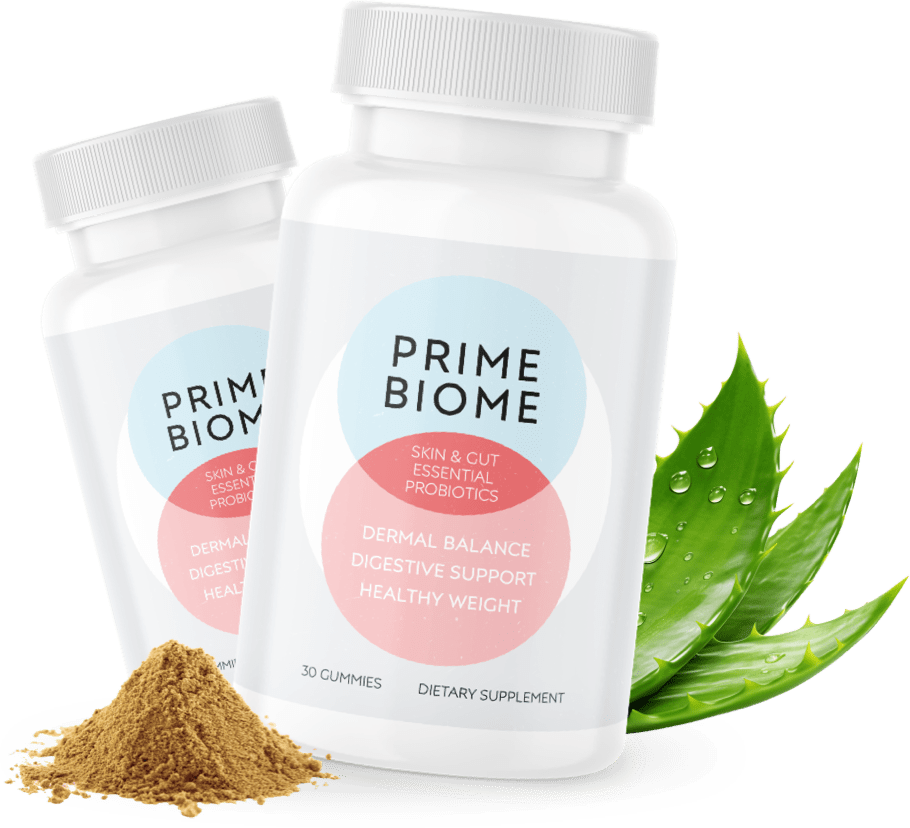
PrimeBiome is marketed around a specific idea: that gut health and skin appearance may be connected. This article unpacks what that connection actually refers to, what current research does and doesn't show, and how PrimeBiome's formula is positioned within that picture.
What Is the Gut-Skin Axis?
The "gut-skin axis" is a term researchers use to describe the possible relationship between the digestive system — including the gut microbiome — and the skin's appearance and barrier function. The general theory is that the gut, immune system, and skin interact through a number of biological pathways, though this is an active and still-developing area of research rather than a settled conclusion.
Why PrimeBiome Is Built Around This Idea
PrimeBiome's formula reflects this two-sided approach directly: a probiotic and prebiotic pairing addresses the gut side, while several botanicals — including Babchi, dandelion, and lemon balm — lean toward the skin-focused side. Our full ingredients breakdown covers what each of these components is and why it's included.
What the Research Does Not Establish
It's worth being direct here: the existence of gut-skin axis research does not mean every gut-focused supplement improves skin appearance, and the available information on PrimeBiome specifically does not establish that it eliminates wrinkles, clears acne, removes pigmentation, or reverses visible aging. Skin condition depends on a long list of factors — genetics, hydration, sun protection, sleep, and skincare habits among them — and a supplement is reasonably considered one small piece of that picture, not a replacement for the rest.
How to Think About This Practically
If the gut-skin connection is part of why you're considering PrimeBiome, a sensible approach is to treat it as a complement to — not a substitute for — the basics: adequate hydration, a varied diet, sufficient sleep, sun protection, and a skincare routine suited to your skin. Our benefits article walks through realistic expectations in more detail, and our how PrimeBiome works article explains the mechanism behind the formula itself.
Anyone experiencing persistent or unexplained skin changes should speak with a dermatologist or healthcare professional rather than relying on a dietary supplement alone.
Where the Research Is Headed
Interest in the gut-skin axis has grown alongside broader microbiome research over the past decade, and more studies continue to look at how specific probiotic strains, fibers, and botanicals might interact with skin outcomes. That's a genuinely interesting area — but it also means the science is still catching up to the marketing in this supplement category generally, not just for PrimeBiome. A responsible way to engage with that gap is to treat ingredient-level research as background context for why a formula was designed the way it was, rather than as proof that the finished product has been clinically tested for the specific outcome you're hoping for.
If this topic interests you beyond PrimeBiome specifically, looking into peer-reviewed research on the gut microbiome and skin barrier function is a reasonable next step — your dermatologist or a registered dietitian can often point you toward credible, current sources suited to your own situation.
Putting It All Together
The short version: the gut-skin connection is a real and active research area, PrimeBiome's formula is deliberately built around both sides of it, and neither fact amounts to a guarantee about your own skin. Used as one part of a broader routine — alongside sensible hydration, sun protection, and a skincare approach suited to your skin type — a gut-and-skin-focused supplement like PrimeBiome is a reasonable thing to experiment with over a full bottle. Used as a stand-alone fix expected to outperform the basics, it's likely to disappoint, the same way almost any supplement would under that expectation.
Frequently Asked Questions
Is the gut-skin axis scientifically proven?
It's an active area of research with promising findings, but it is not a settled conclusion, and results vary by individual and by ingredient.
Can PrimeBiome replace my skincare routine?
No. PrimeBiome is a dietary supplement intended to complement, not replace, a suitable skincare routine, sun protection, and dermatologist guidance when needed.