PrimeBiome Blog
PrimeBiome Ingredients: A Closer Look at All 10 Active Ingredients
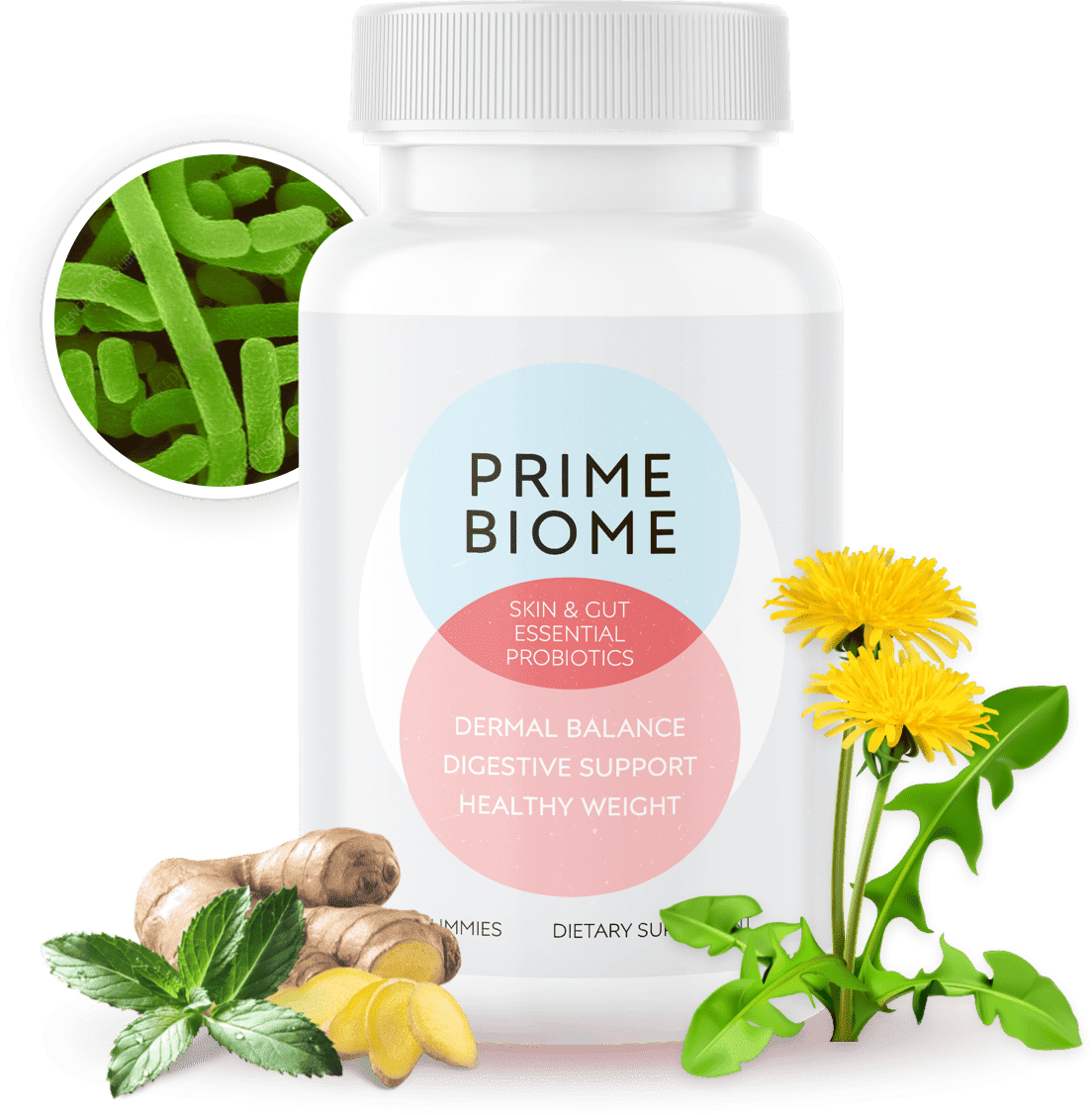
PrimeBiome's label lists ten active ingredients across three categories: one probiotic, one prebiotic fiber, and eight botanicals. Rather than taking that list at face value, this article walks through each ingredient individually — what it is, and the general role it plays in the formula. For a visual summary with icons and quick amounts, see our main ingredients page.
The Probiotic and Prebiotic Base
Bacillus Coagulans
Bacillus coagulans is a probiotic used in a number of gut-focused supplements. Probiotic research is strain-specific, so the amount and exact strain on the current label are what matter most — review the printed Supplement Facts panel before use.
Inulin
Inulin is a naturally occurring dietary fiber added here as PrimeBiome's prebiotic component. Some people notice gas or bloating with fiber-rich ingredients, particularly at higher amounts, so individual tolerance is worth paying attention to.
The Eight-Botanical Blend
Fenugreek
Fenugreek contributes to PrimeBiome's botanical blend. As with any plant-based ingredient, anyone with a known allergy or who takes medication should check with a healthcare professional first.
Fennel
Fennel has traditionally appeared in digestive-support preparations. Its inclusion in PrimeBiome reflects that traditional use rather than a guarantee of a specific outcome.
Dandelion
Dandelion is included as one of PrimeBiome's botanical ingredients. People with relevant allergies or medical conditions should speak with a healthcare professional before use.
Lemon Balm
Lemon balm rounds out part of the formula's botanical profile. Its presence here should be read as one ingredient among ten, not a stand-alone claim.
Organic Ceylon Ginger
Organic Ceylon ginger is included in the botanical blend. Anyone managing a medical condition or taking medication should confirm suitability with a healthcare provider.
Babchi
Babchi is part of PrimeBiome's skin-conscious botanical angle. Its inclusion does not establish that the finished product treats any skin condition, and some preparations may cause sensitivity, so reviewing the label matters.
Organic Lion's Mane
Organic Lion's Mane is included as one of PrimeBiome's botanical components. Anyone with a known mushroom allergy should review the label closely before use.
Slippery Elm Bark
Slippery elm bark rounds out the formula. As with the rest of the blend, traditional use of this ingredient does not by itself prove a specific result in PrimeBiome.
Reading the Label Yourself
Ingredient lists can tell you a lot, but amounts matter as much as presence. Before ordering, it's worth confirming exact per-serving amounts against the current printed label, since manufacturers periodically update formulations. Our complete ingredients page includes a supplement-facts summary table for exactly this reason, and our benefits article explains what these ingredients are positioned to support in practice.
How the Categories Relate to Each Other
It helps to think of PrimeBiome's ten ingredients as three separate layers rather than one undifferentiated list. The probiotic and prebiotic form the foundation layer, aimed squarely at gut wellness. The eight botanicals form a second layer that leans toward both digestive tradition (fennel, ginger, slippery elm) and skin-focused tradition (Babchi, dandelion, lemon balm), with fenugreek and Lion's Mane rounding out the broader wellness angle. None of the three layers is meant to work in isolation — the formula's premise is that they're more useful together than any one ingredient would be alone in a single-ingredient product.
This is also why it's worth being skeptical of any supplement — PrimeBiome included — that implies a longer ingredient list automatically means a stronger product. What actually matters is whether each ingredient is present in a meaningful amount, whether the combination makes logical sense for the stated goal, and whether the manufacturing process is transparent. PrimeBiome's facility is GMP-certified and FDA-registered, which speaks to manufacturing quality, but it's still worth reading the label yourself rather than taking any single source's word for it — including this one.
Frequently Asked Questions
Is Bacillus coagulans a well-studied probiotic strain?
It's used in a number of gut-focused supplements, though research is strain-specific — evidence for one preparation doesn't automatically apply to every product containing it.
Can inulin cause digestive discomfort?
Some people experience gas or bloating with fiber ingredients like inulin, especially at first. Individual tolerance varies, so start by following the labeled serving size.